Product Description
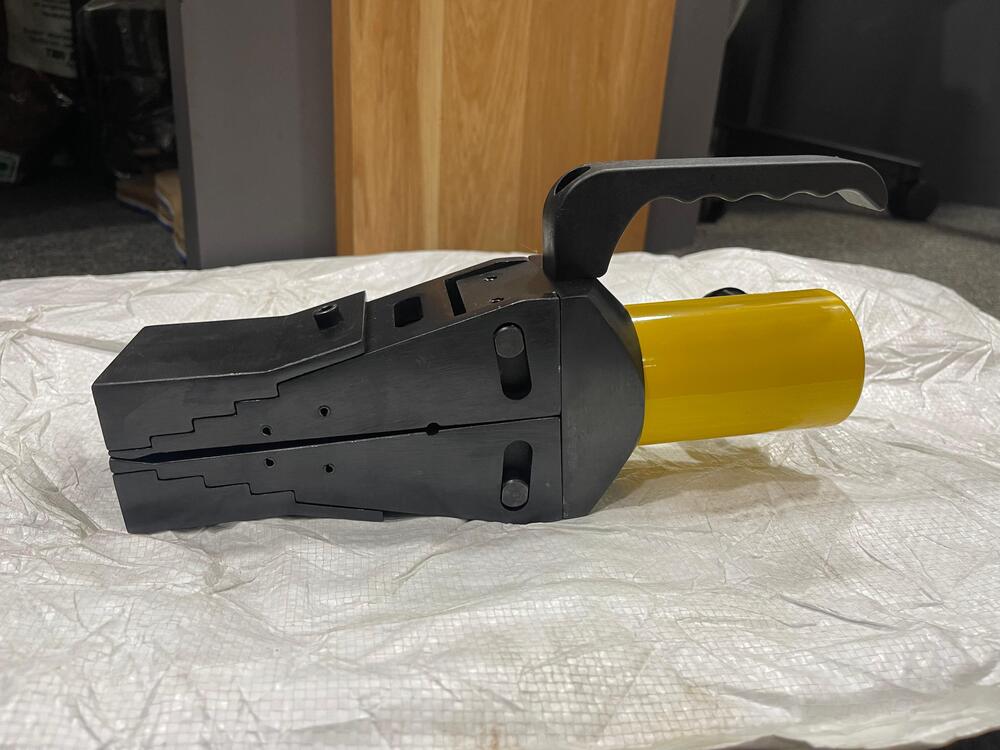
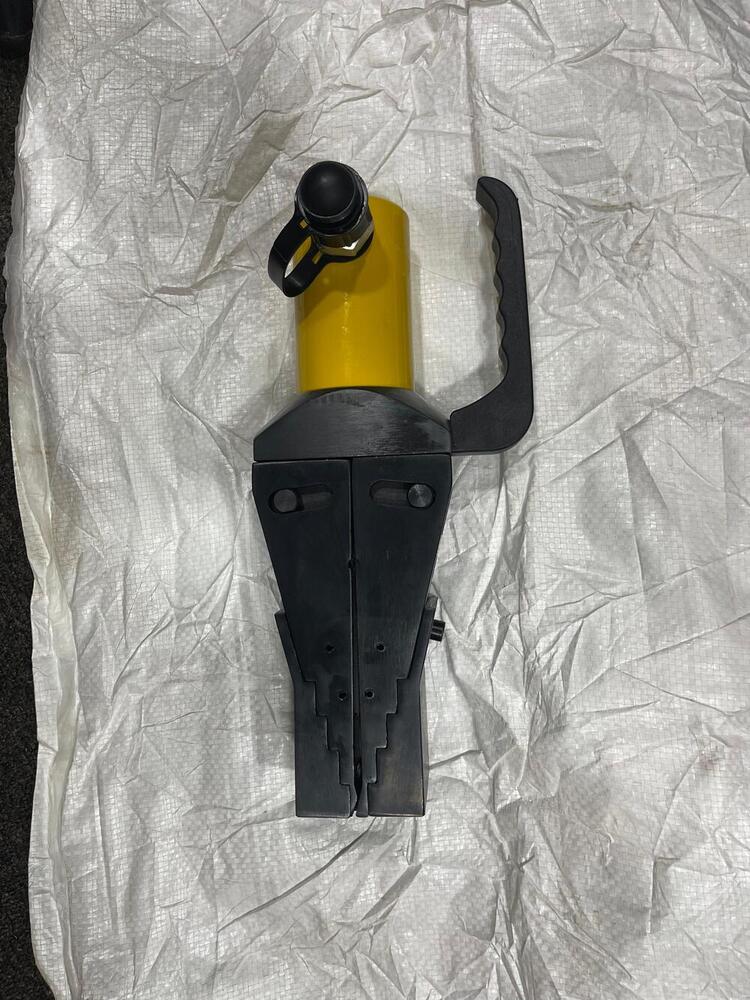
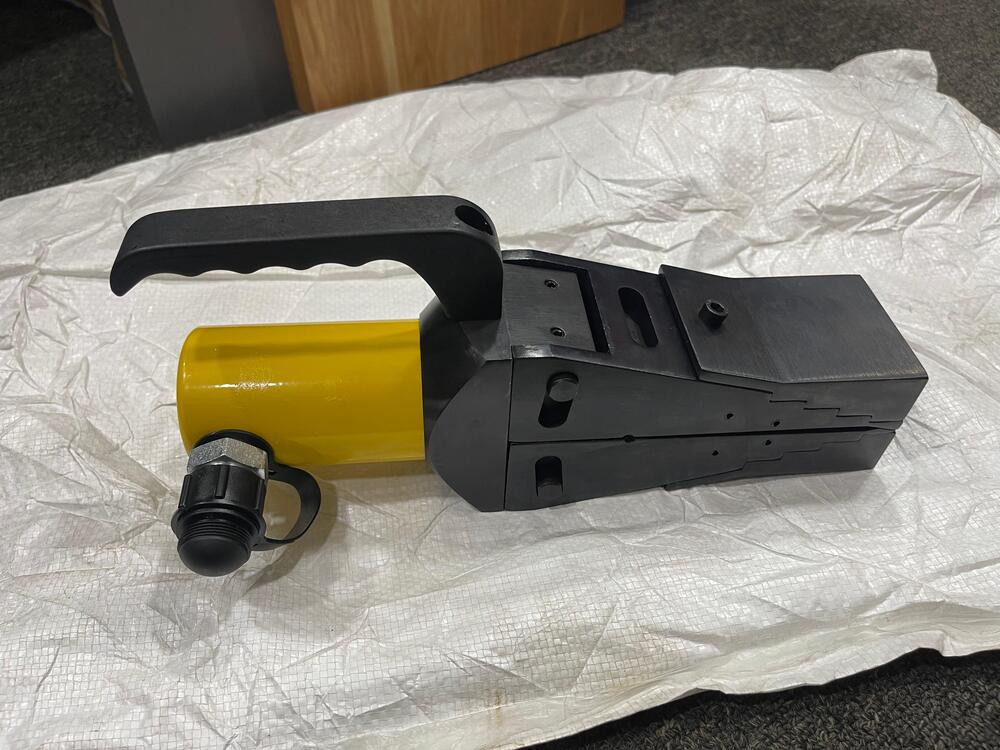
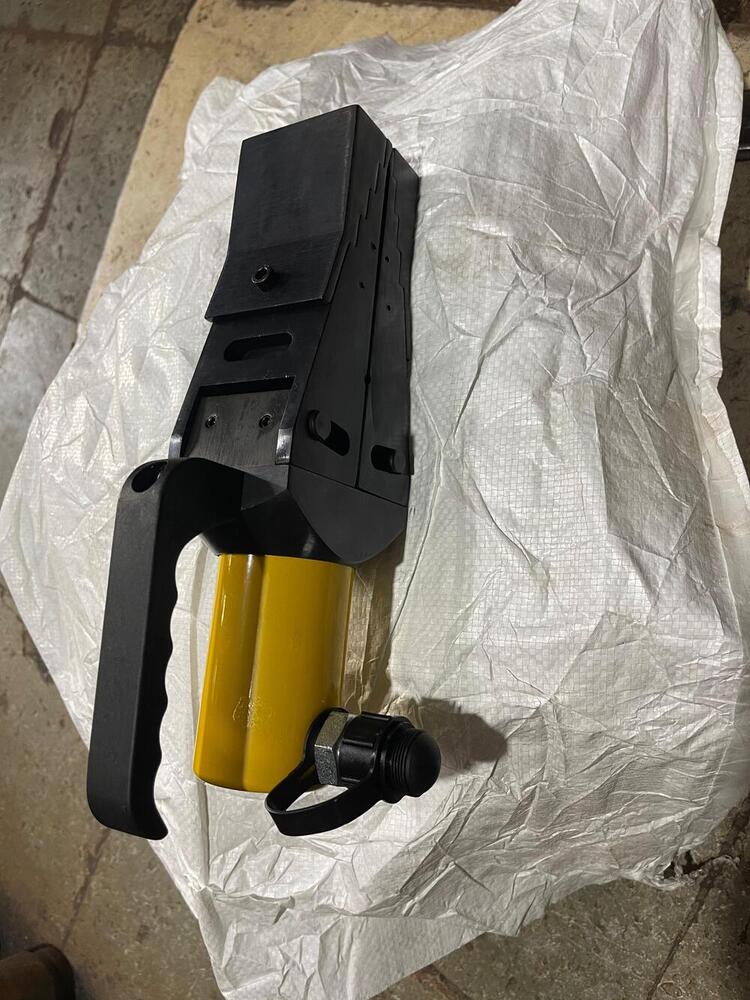
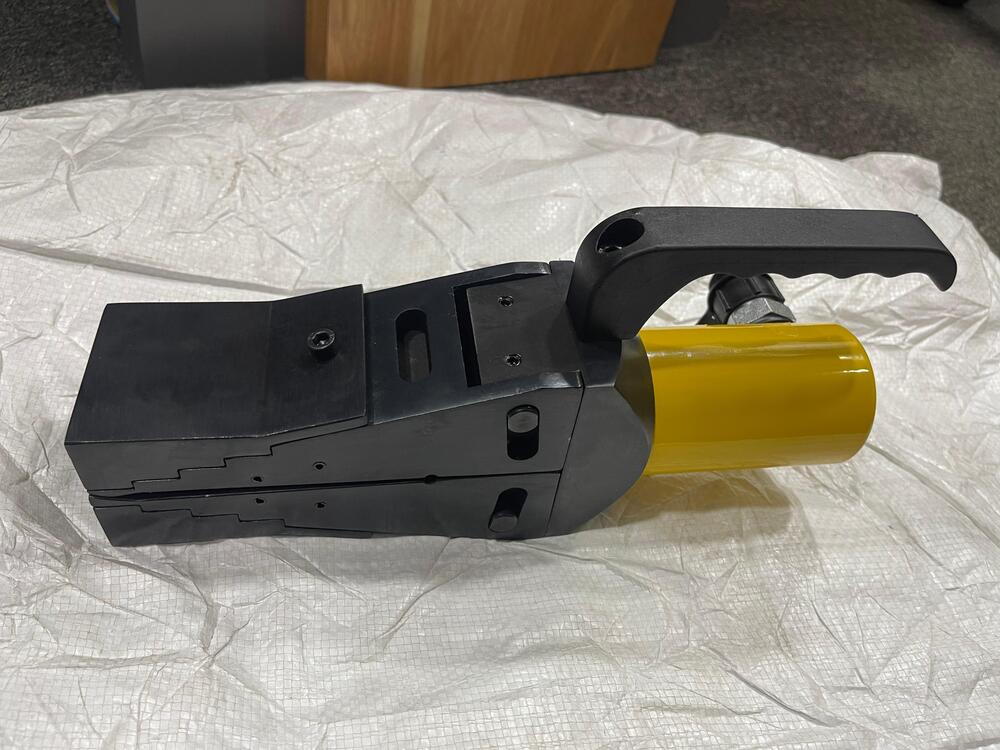
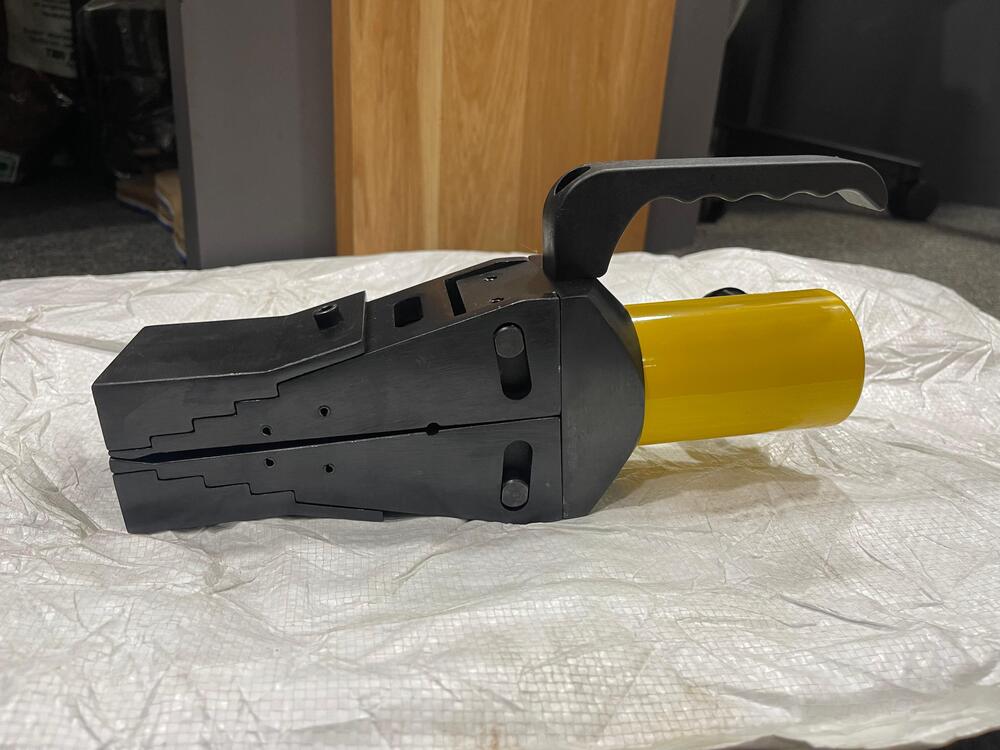
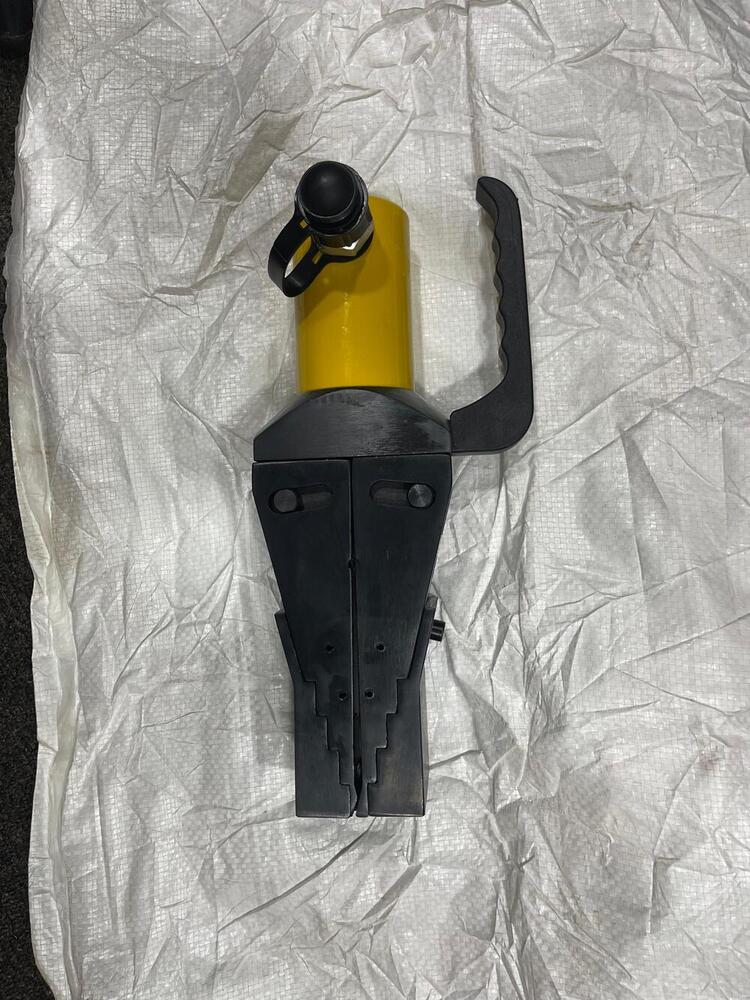
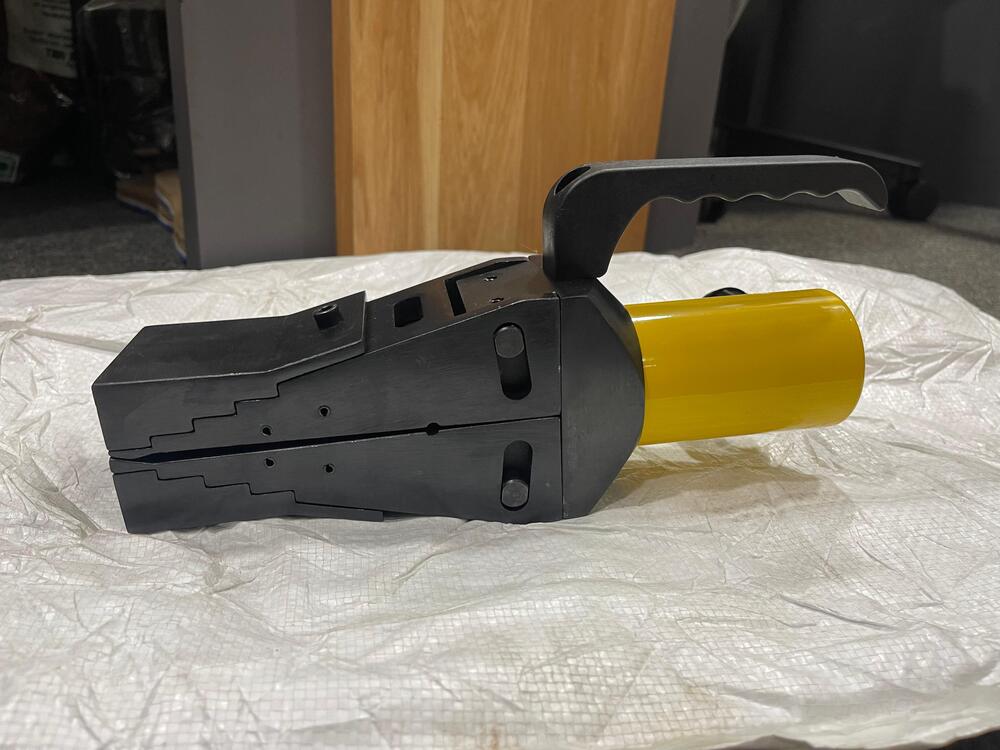
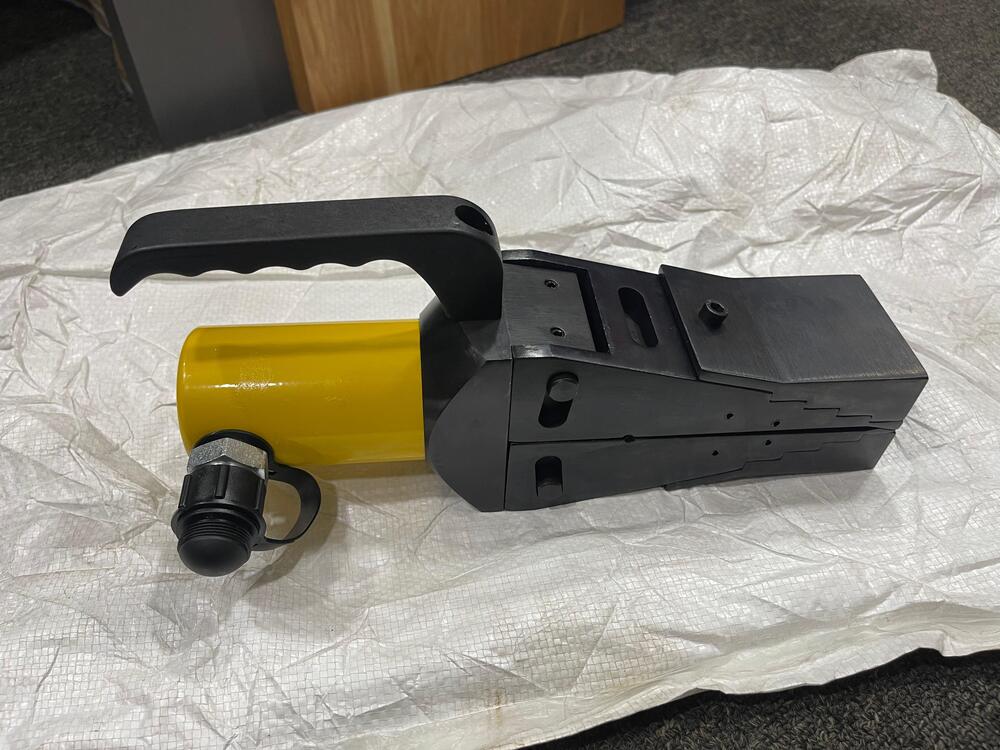
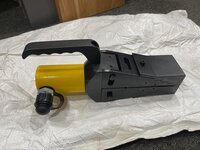
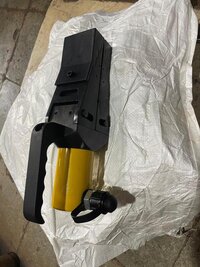
A hydraulic flange spreader is a mechanical tool used to safely and efficiently separate or "spread" flanges in a variety of industrial applications. These spreaders are commonly used in the maintenance, repair, and assembly of pipelines, valves, pumps, and other flanged connections. The tool operates using hydraulic pressure to generate a controlled, even force that helps to separate the two flanges, often to allow for the insertion of gaskets, the removal of old seals, or to facilitate cleaning or inspection between the two mating surfaces.
Key Features of Hydraulic Flange Spreaders:
-
Hydraulic Operation: The tool typically operates with a hydraulic pump, which can be manual, electric, or air-powered. The hydraulic pressure applied by the pump pushes the spreader blades apart, gradually opening the flange joint.
-
Controlled Force: Hydraulic spreaders allow for precise control over the force being applied. This prevents damaging the flange, gasket, or adjacent equipment during the spreading operation.
-
Safety Features: They often come with safety mechanisms to ensure the tool doesnt slip or cause accidental damage. Many spreaders also have anti-slip pads or gripping mechanisms to hold the flanges in place securely.
-
Adjustable Spread: Hydraulic flange spreaders often feature adjustable blades, so they can be used on a variety of flange sizes and configurations.
-
Applications:
- Maintenance and Repairs: These tools are often used during routine maintenance on equipment like valves, pumps, heat exchangers, or pipe systems.
- Installation and Removal of Gaskets: Hydraulic flange spreaders are essential for safely removing or installing gaskets between flanged connections.
- Disassembly of Flanged Joints: When performing inspections, disassembling flanged joints for cleaning, or replacing seals, hydraulic spreaders can make the process easier and less labor-intensive.
-
Materials: Flange spreaders are generally made of high-strength steel and are designed to withstand heavy pressure while being resistant to corrosion.
Benefits of Hydraulic Flange Spreaders:
- Efficiency: Hydraulic spreaders significantly reduce manual labor and time compared to using mechanical or manual tools.
- Safety: The controlled, gradual force minimizes the risk of injury or damage to the equipment, making it safer for technicians.
- Versatility: They can be used on a variety of flange sizes and configurations, making them versatile tools for different industrial applications.
Common Brands:
Some well-known brands in hydraulic flange spreaders include Enerpac, Hytorc, SKF, and Hydratight.
Considerations:
- Size of Flange: Ensure the spreader is designed for the size and pressure rating of the flanges you're working with.
- Hydraulic Pressure: Check the pressure rating of the hydraulic system to ensure it can provide sufficient force for the application.
- Environment: Consider the operating environment, including temperature, humidity, and whether the tool will be used in hazardous or confined spaces.
If you're looking for one for a specific application or industry, there are models optimized for various tasks such as heavy industrial use, high-temperature environments, or low-clearance areas.
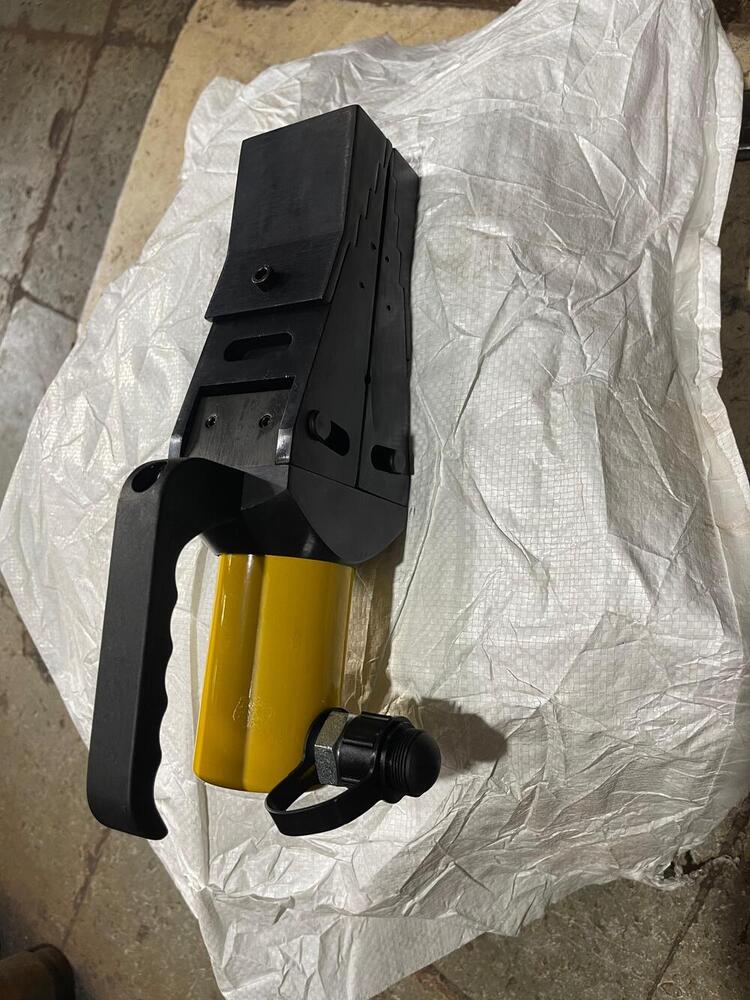
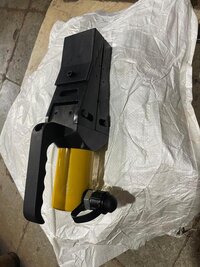
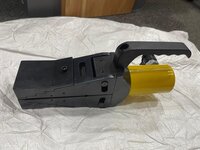
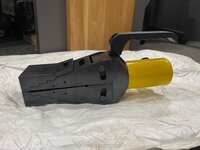
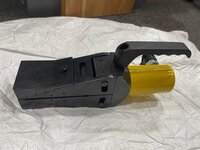
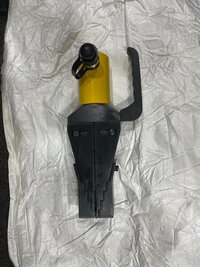
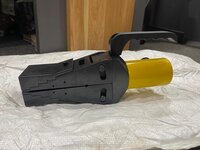
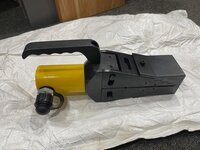
Engineered for Industrial DurabilityCrafted from premium steel, this 14-ton hydraulic flange spreader is tailored to handle demanding industrial settings. The heavy-duty construction provides durability and reliability, minimizing wear even during frequent and rigorous operations. Its solid build ensures prolonged longevity and safety, making it a vital asset for plant maintenance and repair teams.
Versatile and Efficient ApplicationFeaturing a standard size and hydraulic force, this flange spreader offers versatility for various flange-separating tasks. Its pneumatic power source allows users to achieve maximum force with ease, facilitating swift, safe, and precise operations. The tool seamlessly adapts to pipelines, refineries, and chemical plants requiring efficient flange separation without the risk of damage.
FAQ's of Hydraulic Flange Spreader 14 Ton:
Q: How does the Hydraulic Flange Spreader 14 Ton operate?
A: The spreader operates by utilizing hydraulic force, delivered through a pneumatic power source, to separate or align industrial flanges securely and efficiently. Simply connect it to a compatible pneumatic supply and activate the device to engage the hydraulic spreading action.
Q: What types of industries can benefit from this flange spreader?
A: Industries such as petrochemical, oil and gas, chemical processing, and mechanical workshops benefit significantly from this spreader, especially during maintenance, installation, or dismantling of pipelines and equipment flanges.
Q: When should I consider using a hydraulic flange spreader over manual alternatives?
A: A hydraulic flange spreader is ideal when dealing with heavy-duty or stuck flanges where manual tools are insufficient or would require excessive force, risking safety. It ensures safer, faster, and more controlled spreading, particularly in industrial environments.
Q: Where is this hydraulic flange spreader manufactured and supplied?
A: This flange spreader is manufactured, supplied, traded, and wholesaled by reputable companies in India, providing domestic and potentially international support to clients in need of industrial-grade tools.
Q: What is the process for using the Hydraulic Flange Spreader 14 Ton?
A: Position the spreader between the flanges to be separated, connect the pneumatic line, and gradually activate the tool. The hydraulic mechanism will then carefully expand the flanges, allowing for safe and controlled maintenance or access.
Q: How does the body material of steel improve the tool's performance?
A: The steel body endows the spreader with superior strength and durability, enabling it to withstand high hydraulic forces and repeated industrial use without risk of deformation or failure.
Q: What are the key benefits of using this hydraulic spreader in an industrial setting?
A: Key benefits include enhanced safety during maintenance, time savings in complex or heavy-duty tasks, a reduction in manual labor, and the assurance of reliable performance across numerous applications due to its robust construction and design.

 Send Inquiry




 Send Inquiry